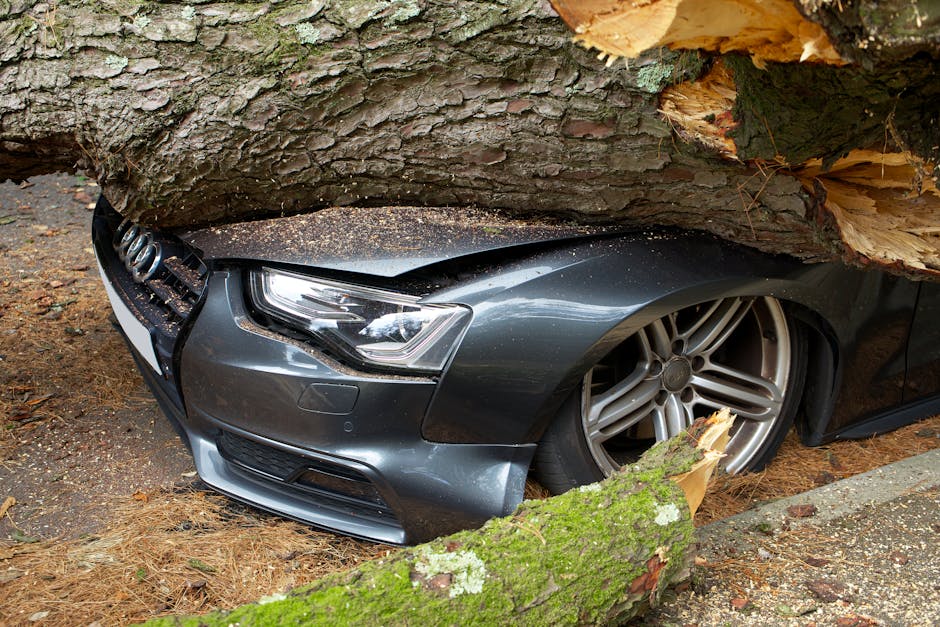
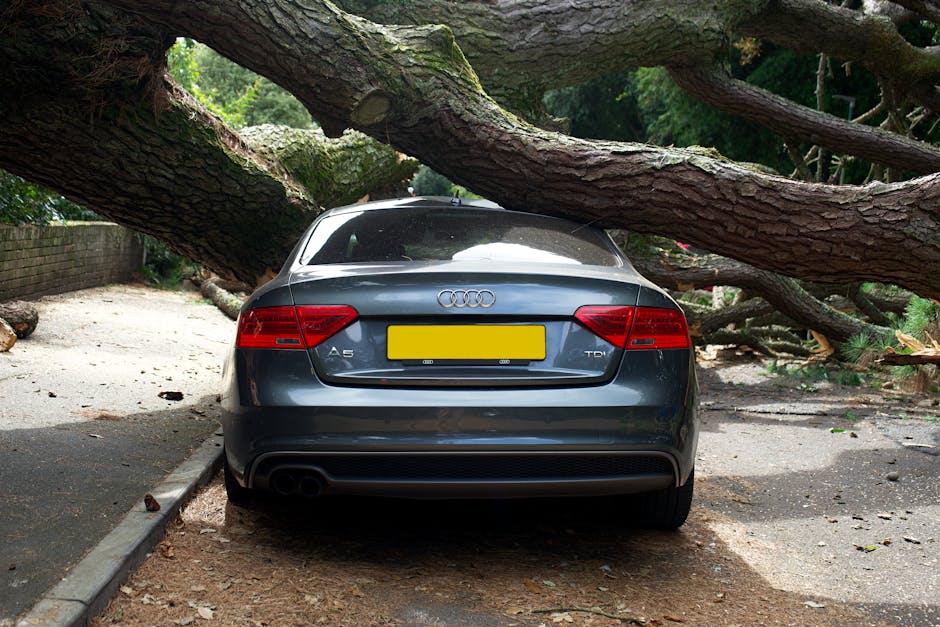
When to call same day Paddington gardeners for storm damage
Storms in Paddington can be over in minutes, but the mess they leave behind has a habit of hanging around. Broken branches, leaning trees, flattened borders, blocked paths, ripped trellis panels, and soggy lawns can all turn a normal garden into a risk area very quickly. If you are wondering when to call same day Paddington gardeners for storm damage, the short answer is: as soon as the damage could get worse, make the property unsafe, or create a knock-on problem for your home or neighbours.
This guide walks you through the signs that need urgent attention, what same-day garden support can realistically do, and how to decide whether something can wait until tomorrow. You will also find a practical checklist, a side-by-side comparison, and a few realistic examples from the sort of situations people deal with after a bad spell of wind and rain. Truth be told, storm damage has a way of looking worse by the hour.
Quick takeaway: If a storm has left branches unstable, trees leaning, access blocked, fencing loose, or drainage overwhelmed, same day help is usually the sensible call. Not every leaf-strewn lawn needs emergency attention, but safety issues and fast-growing damage do.
Table of Contents
- Why When to call same day Paddington gardeners for storm damage Matters
- How When to call same day Paddington gardeners for storm damage Works
- Key Benefits and Practical Advantages
- Who This Is For and When It Makes Sense
- Step-by-Step Guidance
- Expert Tips for Better Results
- Common Mistakes to Avoid
- Tools, Resources and Recommendations
- Law, Compliance, Standards, or Best Practice
- Options, Methods, or Comparison Table
- Case Study or Real-World Example
- Practical Checklist
- Conclusion
- Frequently Asked Questions
Why When to call same day Paddington gardeners for storm damage Matters
Storm damage is not just about a garden looking untidy. In Paddington, where many homes have compact outdoor spaces, shared access routes, side returns, and close neighbours, a damaged tree or broken fence can affect more than your planting beds. A branch hanging over a path can become a hazard. A fallen panel can expose a garden, damage a boundary, or block access. And waterlogged soil can turn a simple cleanup into a bigger repair job if it is left too long.
Knowing when to call same day Paddington gardeners for storm damage matters because time changes the risk. A cracked limb may hold for an hour, then fail after another gust. Wet leaves may seem harmless, then create a slippery surface by the back door. A leaning shrub might be cosmetic today and uprooted tomorrow. That is the reality after strong wind and heavy rain: the garden does not always stay still.
There is also a practical side. The sooner you deal with storm damage, the easier it usually is to recover the garden without extra expense or avoidable loss. Beds can be re-staked before plants bend permanently. Broken sections can be made safe before they drag down adjacent panels. Drainage can be cleared before standing water starts to damage turf or wash soil away. Small action, early on, often saves a bigger headache later.
In a dense London area like Paddington, fast response also helps you keep on top of neighbour relations. Nobody wants a loose branch dangling over a shared boundary or debris blowing into a communal walkway. A quick call can be the difference between "sorted by tea-time" and "this has become a bit awkward, hasn't it?"
How When to call same day Paddington gardeners for storm damage Works
Same day garden help for storm damage is usually a rapid assessment-and-action service. In plain English, a gardener arrives, checks the immediate risks, and then carries out urgent work to make the area safer and more stable. Depending on the conditions, that may include clearing debris, removing loose branches, securing plants, making overgrown or damaged areas safe, or identifying work that needs a specialist tree service rather than a routine garden visit.
The process often starts with a quick description from you. A good question to ask yourself is: what is the immediate danger, and what is just mess? That distinction helps set the priority. For example, a toppled plant pot is annoying. A cracked limb hanging over a driveway is urgent. A muddy patch from heavy rain might need a little time to drain. A gate jammed by wind-blown branches may need the same day if it is preventing access.
After that, the gardener will usually assess the garden in layers:
- Safety first: unstable branches, leaning trees, loose fencing, broken supports, sharp debris, slippery surfaces.
- Access and containment: blocked pathways, gates, driveways, bins, shared entrances, or anything likely to fall further.
- Condition of plants and hard landscaping: damaged shrubs, uprooted tubs, soil erosion, disturbed edging, cracked panels, and fallen trellis.
- Next-step work: re-staking, cutting back, clearing, temporary stabilising, or scheduling follow-up maintenance.
Not every storm issue can be fully solved on the spot, and that is fair enough. Sometimes same day work is about making the site safe and preventing further damage until proper repairs happen. If a tree is large, structurally compromised, or close to overhead lines, the job may need specialist input. Good gardeners will say so plainly rather than trying to bodge it. That honesty matters more than bravado.
If you already use broader garden care services such as garden maintenance, garden clearance, or tree lopping and removal, storm response often slots into those services in a practical way. The exact work depends on what the weather has done, not on a neat brochure description. Nature rarely reads the brochure.
Key Benefits and Practical Advantages
Calling same day gardeners for storm damage is about more than speed for speed's sake. The benefits are very practical, especially in a built-up part of west London where gardens tend to be compact and access can be tight.
- Reduced safety risk: Loose branches, damaged supports, and slick paths are dealt with before someone slips, trips, or gets hit by falling debris.
- Less secondary damage: A cracked tree limb can split further, and a weak fence section can pull down the next panel if it is left in place.
- Quicker recovery: Your garden returns to usable condition sooner, which matters if you have pets, children, or just want to get the bins out without stepping over a jungle of broken twigs.
- Better plant survival: Uprooted or bent plants often recover better when they are re-staked, watered, or cut back promptly.
- Peace of mind: A quick professional assessment takes the guesswork out of the situation. You know what is urgent and what can wait.
There is also a subtle but real benefit: a prompt response often gives a cleaner outcome. Once a branch has rubbed, split, or sat wet against another stem for hours, the damage can spread. Same day attention gives you a better chance of saving the plant, not just clearing the mess. That sounds obvious, but in practice people often wait a day or two because they are busy, and then the job gets harder.
If your storm-damaged garden needs to be followed by wider improvements, you may also find landscape gardening or landscaping useful once the immediate danger is handled. First make it safe, then think about the pretty bit. That order saves trouble.
Who This Is For and When It Makes Sense
Same day help is not for every stormy afternoon. If the garden only has a few branches on the lawn and the fence is standing firm, you may be able to tidy it yourself the next day. But there are some clear situations where calling a local gardener quickly makes sense.
- Homeowners with trees near structures: If a tree or large shrub sits close to your house, shed, fence, or neighbour's boundary, storm movement can create a fast-moving hazard.
- Landlords and property managers: You may need to restore safe access quickly, especially if tenants, visitors, or tradespeople need to use the outside space.
- Older properties with narrow access: In many Paddington streets, side passages and rear gardens are tight. Debris and fallen branches can block a small route very easily.
- Pet owners: Broken glass, splintered wood, and sharp debris are risky for paws and feet.
- Families: If children use the garden, safety becomes the priority straight away. Children are brilliant at finding hazards adults somehow walked past three times.
- People with overgrown gardens: Storms can expose weak points in dense growth. If your garden already had a few fragile trees or straggly supports, bad weather may tip it over the edge.
It also makes sense when you are unsure whether the problem is minor or structural. A leaning fence can look harmless until you realise the post has gone. A split branch can seem stable until you see the fracture line. When in doubt, get it checked. A short visit is often less stressful than guessing wrong.
For smaller gardens, especially in urban terraces, storm recovery often overlaps with routine upkeep. If the garden had already been due for a tidy-up, combining emergency clearance with normal follow-on care can be efficient. Services like lawn mowing and hedge trimming may be relevant once the urgent work is finished, though not before the danger is dealt with.
Step-by-Step Guidance
If a storm has just passed and you are standing at the back door with a cup of tea, looking at the wreckage and thinking "right then, now what?", use this approach.
- Look for immediate danger from a safe distance. Do not stand under heavy branches or near anything that appears to be leaning or lifting in the wind. Check whether access is blocked or whether anything could fall again.
- Check for impact on people, pets, and property. Is the path slippery? Has the fence opened a gap? Is there a branch resting on a shed roof, or debris against a door or gate?
- Decide whether the issue is urgent, unstable, or just messy. Urgent means a same day call. Unstable means a call soon, because it could worsen. Messy can often wait for normal garden clearance.
- Take a few clear photos. This helps you explain the issue quickly and gives you a record before anything is moved. Just keep your distance if the area is unsafe.
- Describe the situation plainly. Mention anything leaning, broken, blocking, or hanging. If you can say what changed since the storm, even better.
- Ask what can be made safe today. Some jobs need immediate stabilising rather than a full repair. A practical response is often the right response.
- Follow up with longer-term repairs if needed. If storm damage has exposed old rot, weak supports, or poor drainage, do not ignore it. That is the kind of thing that comes back when the next gust arrives.
The key thing is not to overcomplicate it. You do not need to diagnose everything yourself. You just need to work out whether the garden is safe and whether the damage is likely to spread. That alone usually tells you whether same day help is worth it.
Expert Tips for Better Results
Over the years, one thing becomes very clear: the people who get the best post-storm outcome are the ones who act early and communicate clearly. A few practical tips make a noticeable difference.
1. Prioritise the root cause, not just the visible mess. If a shrub blew over, ask why. Was it a loose rootball, poor staking, waterlogged soil, or a sheltered pocket that caught the wind? Fixing the underlying issue helps avoid repeat damage.
2. Don't trim too aggressively in a panic. It is tempting to hack back broken growth as fast as possible. Sometimes that is appropriate. Sometimes it leaves the plant weaker or more exposed. A careful cut is usually better than a dramatic one. Gardens are resilient, but they are not fond of panic pruning.
3. Watch for hidden damage after heavy rain. Water can loosen soil around posts, supports, and roots. A fence or tree may look fine at first glance and still be unstable at the base.
4. Keep access routes clear. Even a small amount of debris can become an ongoing nuisance if it blocks bin access, bikes, or a side path. In London, tight access is often the thing that turns "minor" into "annoying all week".
5. Ask about temporary stabilising. If permanent repair must wait, temporary support can prevent further movement. It is not glamorous, but it is smart.
6. Use the visit to spot other weaknesses. A storm often reveals what was already borderline: brittle hedge sections, poor drainage, tired timber, or overlong growth. Better to know now than during the next squall.
7. Keep a calm head. Seriously. Storm gardens can look dramatic at 8 a.m. and much less dramatic by lunchtime once the right steps have been taken. The main job is to make good decisions, not heroic ones.
Common Mistakes to Avoid
There are a few mistakes that crop up again and again after bad weather. They are understandable, but they can make matters worse.
- Waiting too long: People sometimes assume a damaged branch will "hold for now". Sometimes it does. Sometimes it fails when the wind picks up again.
- Touching unstable trees or branches: If something is cracked and hanging, do not tug it just to see if it moves. That is how small problems become dramatic ones.
- Ignoring fencing and boundary damage: A weak panel or post may look like a fencing issue, but it can become a safety issue or a neighbour issue very quickly.
- Trying to clear heavy debris alone: Large branches are awkward, and awkward is where backs get strained. Better to be sensible.
- Assuming all garden damage is the same: A wind-blown plant pot is not the same as a compromised tree. Treat the risk level differently.
- Forgetting drainage problems: If water is pooling after the storm, that is part of the damage picture too. Left alone, it can affect turf, beds, and hard surfaces.
- Calling for general tidy-up when the issue is urgent: Be clear that you need same day help for storm damage if there is a safety concern. That helps the response match the situation.
A good rule of thumb: if you would not be happy leaving it for a child, visitor, or neighbour to walk past, do not leave it unassessed. Simple as that.
Tools, Resources and Recommendations
You do not need a shed full of specialist kit to deal with the first moments after a storm. In fact, it is usually better to keep things simple and safe.
| Situation | Useful item or approach | Why it helps |
|---|---|---|
| Small debris and twigs | Gloves, rake, sturdy bags | Helps with quick clearance without hand injuries |
| Flattened plants | Soft ties, bamboo canes, temporary supports | Can help reduce further bending while the soil settles |
| Loose boundary sections | Temporary restraint, clear marking, professional assessment | Keeps people away from unstable areas |
| Wet, slippery surfaces | Warning signs, sand or absorbent material where appropriate | Improves immediate safety around paths |
| Suspected tree damage | Visual inspection from a safe distance only | Lets you spot obvious risks without provoking collapse |
When choosing support, look for someone who can explain what they are doing in plain English. If the explanation sounds like a sales pitch wrapped around a hedge, that is not ideal. You want practical judgement, sensible safety habits, and a clear plan.
It may also help to keep the details of broader services handy. A garden that needs emergency attention today may need follow-on work later through services overview, pricing and quotes, or contact us when you are ready to get things moving. If you are comparing options, plain clarity is worth a lot.
Law, Compliance, Standards, or Best Practice
Storm damage work sits in a practical space rather than a heavily regulated one, but good practice still matters. In the UK, garden work should be carried out with due care, especially where there is a risk to people, neighbouring property, or public access. That means working safely, using appropriate equipment, and knowing when a job is beyond routine gardening.
For example, a damaged tree near a structure can require more caution than a simple hedge cut. If there is any chance of contact with overhead services, unstable trunk movement, or fall risk onto a boundary, the work should be assessed carefully before proceeding. A responsible gardener will not treat that as a quick tidy. They will slow down and decide what can be done safely.
Insurance and safety awareness are also part of best practice. If you are hiring someone to handle storm-damaged areas, it is sensible to expect proper care around property, access, and debris removal. Clear communication helps here: explain where the hazard is, whether anyone is currently using the space, and if there are gates, pets, or shared entrances involved.
There is also a simple standard of neighbourly responsibility. If a storm-damaged tree or fence risks affecting a next-door property, act early and keep the issue visible and documented. That is just sensible, and in a place like Paddington where plots are close together, it avoids awkward conversations later.
If you want to read more about how a business handles safety and responsible working practices, the site also includes an insurance and safety page and a health and safety policy. Those pages are useful for understanding how professional work is approached behind the scenes.
Options, Methods, or Comparison Table
After a storm, you usually have three broad options: handle it yourself, book a normal garden visit, or request same day help. The right choice depends on the risk and the scale of the damage. Here is a clear comparison.
| Option | Best for | Pros | Limitations |
|---|---|---|---|
| DIY clean-up | Light debris, stable plants, no safety risk | Fast, low cost, convenient | Not suitable for unstable branches, trees, or fencing |
| Scheduled garden visit | Non-urgent storm mess, follow-on tidying, routine repair | Flexible, good for broader maintenance | Too slow for hazards or access problems |
| Same day gardener | Safety concerns, blocked access, unstable damage, urgent cleanup | Quick risk reduction, practical advice, prevents escalation | May cost more than routine timing and may focus on immediate control rather than full restoration |
That table sounds simple because, in practice, the decision usually is simple. If it is unsafe, blocked, or likely to worsen, same day help is the sensible route. If it is just untidy, a planned visit may be enough. And if you are not sure, err on the side of caution. Gardens are forgiving; collapsed boundaries are less so.
Case Study or Real-World Example
Here is a realistic example. After an overnight storm, a Paddington homeowner steps into the small rear garden to find a mature climber partly torn from its support, with one branch resting across a narrow path to the shed. A fence panel at the back has also lifted slightly at one corner, and the soil near the base feels soft from the rain.
At first glance, it does not look disastrous. No tree is down, no roof is hit, and the garden is still technically usable. But the branch is unstable, the path is partly blocked, and the loose fencing could shift in the next gust. That is exactly the kind of situation where when to call same day Paddington gardeners for storm damage becomes a practical question rather than a theoretical one.
The sensible response here would be a same day visit to make the area safe, clear the path, inspect the support, and decide whether the climber can be re-secured or needs partial cutting back. If the fence post is soft at the base, that may be flagged for a follow-up repair. The immediate goal is containment and safety, not a perfect finish.
What usually surprises people is how much calmer the garden feels after the first hour of intervention. Once the hazard is removed, everything looks more manageable. The smell of wet leaves is still there, the paving is still damp, but the sense of panic eases off. That matters. A lot, actually.
Practical Checklist
Use this checklist after a storm to decide whether same day garden help is needed.
- Is any branch or tree visibly unstable, cracked, or leaning?
- Is access blocked for people, bins, pets, or vehicles?
- Has a fence, gate, trellis, or support panel come loose?
- Are any plants uprooted, heavily bent, or close to snapping?
- Is standing water creating slippery or damaged areas?
- Could debris fall again if the wind picks up?
- Is there any risk to a neighbour's boundary or shared space?
- Would moving the debris yourself be unsafe or too heavy?
- Does the damage look likely to get worse overnight?
- Would you feel comfortable leaving the area unattended?
If you answer yes to one or two safety-related questions, same day help is worth considering. If you answer yes to several, do not wait around hoping the weather will sort it out. It usually does not.
Conclusion
Knowing when to call same day Paddington gardeners for storm damage comes down to one thing: risk. If a storm has created a safety hazard, blocked access, loosened boundaries, or left something unstable enough to worsen quickly, do not leave it until later. Early action keeps the problem smaller, safer, and usually cheaper to manage.
For minor debris and tidy-up work, a planned visit may be enough. But when the garden looks uncertain, awkward, or frankly a bit edgy, same day support gives you clarity fast. That is often worth more than people expect. You get the hazard assessed, the area made safer, and the next steps laid out without guesswork.
Get a free quote today and see how much you can save.
And if the storm has rattled the garden but not broken your sense of calm, that is a good sign too. Start with safety, take it one step at a time, and the garden will come back around.
Frequently Asked Questions
How do I know if storm damage needs same day attention?
If anything is unstable, blocking access, leaning toward a structure, or likely to worsen with more wind or rain, it usually needs same day attention. If it is only debris on the lawn, it may not.
Can I wait until tomorrow if the garden looks mostly okay?
Sometimes, yes. But if you have any doubt about safety, do not wait. Storm damage can look mild and still fail later, especially after another gust or more rainfall.
What kind of storm damage do gardeners usually deal with first?
They usually prioritise unstable branches, fallen debris, blocked paths, loose fencing, bent supports, and anything that could injure someone or cause more damage.
Is same day garden help only for serious emergencies?
Not only emergencies, but that is the main reason people call it. It is also useful when a problem is not catastrophic but clearly time-sensitive and likely to worsen.
Can a gardener remove a fallen branch straight away?
Often yes, if it is safe to do so and the branch is not part of a larger unstable tree. If there is structural risk, the work may need a more careful approach or specialist input.
Will storm damage always need tree work?
No. A lot of storm damage is general garden clearance, support repair, or tidy-up work. Tree work is only needed when the damage involves a tree or larger woody growth that cannot be handled safely as routine gardening.
How much should I explain when I call for help?
Keep it simple and specific. Say what happened, what is broken or leaning, whether access is blocked, and whether you think anyone could be at risk. Clear information helps a lot.
What if the damage is on a boundary with a neighbour?
That is usually a good reason to act quickly. Boundary issues can escalate if left unresolved, especially if something is loose or overhanging. A prompt assessment keeps things straightforward.
Do I need photos before anyone comes out?
Photos are helpful if you can take them safely. They give the gardener a quick idea of the problem and can help with planning. But do not go near anything unstable just for a photo.
Can storm damage affect drainage or soil as well as plants?
Yes, absolutely. Heavy rain and wind can shift soil, expose roots, compact turf, and create puddling. Those problems are part of storm damage too, even if they do not look dramatic at first.
What is the biggest mistake people make after storm damage?
Waiting too long. The second biggest is trying to handle unstable branches or trees without proper caution. A calm, early response is usually the best one.
Where should I go next if I need wider garden work after a storm?
You can look at the wider range of garden services available, then follow up with a quote or contact the team when you are ready. That way the urgent issue and the longer-term tidy-up are both handled properly.