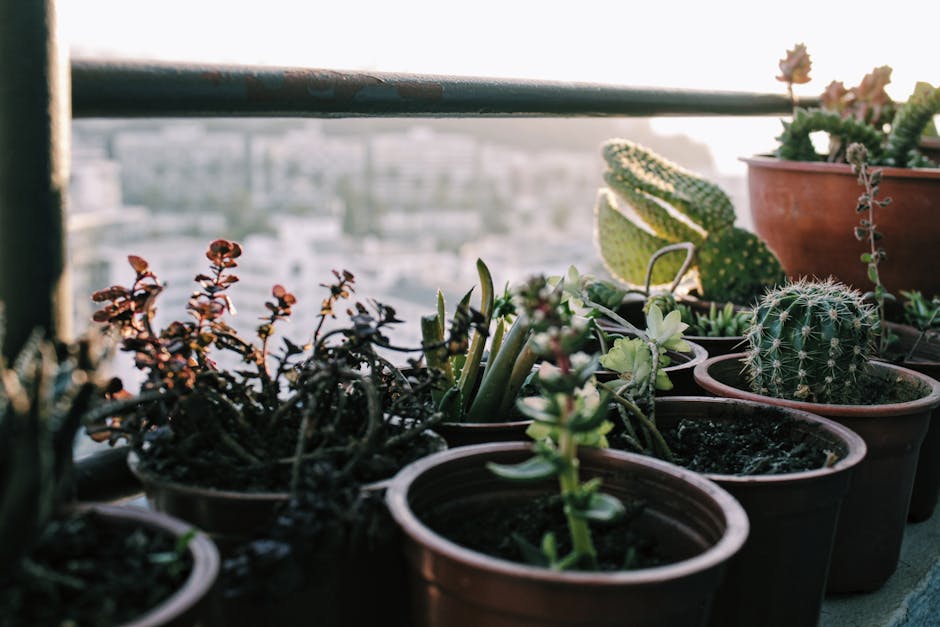
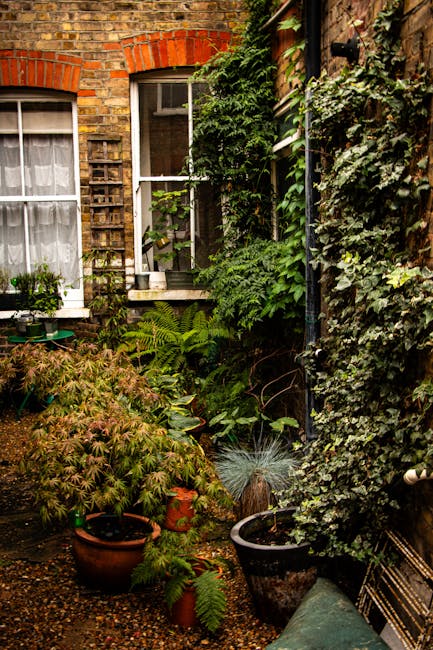
Top Paddington gardeners for small W2 terrace gardens
If you live in W2, you already know the charm of a terrace garden can come with a few compromises: narrow access, shade from neighbouring buildings, a patio that never quite gets enough sun, and not much room for a bulky lawn mower, let alone a full redesign. That is exactly why Top Paddington gardeners for small W2 terrace gardens matter. The right gardener does more than "tidy up" a space. They help you make a compact garden feel calm, usable, and genuinely personal.
Whether your terrace is a pocket-sized courtyard, a long thin strip behind a house, or a small raised garden with a couple of tired pots, good local gardeners understand how to work with the quirks rather than fight them. In Paddington, where space is precious and every inch needs a job to do, that difference really shows.
In this guide, you'll find a practical breakdown of what to look for, how terrace garden care works, the common mistakes people make, and how to choose a gardener who can handle the realities of a small W2 outdoor space without overcomplicating things. A few useful internal guides are also linked where they may help, including garden maintenance services, landscaping support, and garden clearance and tidy-ups.
Table of Contents
- Why Top Paddington gardeners for small W2 terrace gardens Matters
- How Top Paddington gardeners for small W2 terrace gardens Works
- Key Benefits and Practical Advantages
- Who This Is For and When It Makes Sense
- Step-by-Step Guidance
- Expert Tips for Better Results
- Common Mistakes to Avoid
- Tools, Resources and Recommendations
- Law, Compliance, Standards, or Best Practice
- Options, Methods, or Comparison Table
- Case Study or Real-World Example
- Practical Checklist
- Conclusion
- Frequently Asked Questions
Why Top Paddington gardeners for small W2 terrace gardens Matters
Small terrace gardens are deceptively demanding. On the surface, they look simpler than larger plots. Fewer beds, fewer shrubs, less lawn, less to maintain. Truth be told, the opposite is often true. A compact W2 garden can expose every design mistake, from poor drainage to overcrowding, and because there's so little room, those mistakes are hard to ignore.
That is why experienced local gardeners are so valuable. They know how to read the space. Is the soil compacted? Does the back wall create a frost pocket? Is the first half of the garden all shade by lunchtime? These are the details that decide whether the garden feels lush and easy, or frustrating and unfinished.
Paddington gardens also tend to sit within a busy urban environment. That means noise, pollution, privacy concerns, and access issues all influence the work. A good gardener will factor in lightweight planting schemes, smarter container choices, easier upkeep, and layouts that suit the way people actually use the space. Not every garden wants to be a show garden. Some just need to feel lovely on a Tuesday evening with a cup of tea.
If your outdoor space needs more than routine care, it can be worth looking at related support such as hedge trimming, tree surgery services, or lawn care if a small patch of turf is part of the picture. In a terrace setting, these services often overlap more than people expect.
How Top Paddington gardeners for small W2 terrace gardens Works
The process usually starts with a proper assessment. A good gardener will not rush straight into pruning or planting. They will look at light levels, access, drainage, the condition of existing plants, and what you want from the space. Do you want somewhere to sit? A space for bees and pollinators? Low-maintenance structure? Year-round green? Those goals matter, because the best solution for a shaded courtyard is very different from the best solution for a sunny roof-level terrace.
From there, they'll usually prioritise the basics. In a small terrace garden, the order of work matters more than people think. Clearing clutter, improving soil, cutting back overgrowth, and deciding what should stay often creates more visible improvement than any grand redesign. Then comes the more creative part: choosing plants, shaping borders, adjusting pots, and building a layout that makes the garden feel bigger and calmer.
Good gardening in W2 is often about restraint. A top gardener won't cram in too many species just because they look nice on a nursery label. They'll choose plants that can cope with wind tunnels between buildings, reflected heat from brick or paving, and irregular watering. It's a bit like furnishing a tiny flat. Every item has to earn its place.
For readers comparing service levels, it can help to think of the work in layers:
- Maintenance: mowing, pruning, deadheading, weeding, seasonal tidy-ups
- Restoration: clearing a neglected space, reviving soil, rescuing plants
- Redesign: changing the structure, planting scheme, or layout
- Ongoing care: regular visits to keep the garden healthy and presentable
If your garden has become more of a storage zone than a living space, garden clearance and tidy-ups is often the first sensible step. Then, once the space is workable again, more detailed planting or landscaping can follow.
Key Benefits and Practical Advantages
The biggest benefit is simple: a small garden becomes more usable. That does not mean fancy. It means stepping outside and feeling that the space makes sense. You can sit down without brushing against awkward branches. You can water without a maze of pots getting in the way. You can open the back door and not sigh a little inside.
Here are the advantages people usually notice first:
- Better use of limited space through slimmer planting and sharper layout planning
- Lower maintenance stress because the garden is set up to be manageable
- Improved privacy with well-placed screening, climbers, or layered planting
- Better year-round interest so the garden doesn't look "done" for three weeks and flat the rest of the year
- Healthier plants thanks to proper soil, drainage, pruning, and spacing
- More enjoyable outdoor living even in a compact city setting
There is also the emotional benefit, which can be hard to price but easy to feel. A neat terrace garden softens the view from the kitchen. It gives you a place to pause. In the evening, with the light going warm against the brickwork, even a few well-kept pots can make the whole home feel better. Small thing, maybe. But not really small when you live with it every day.
A strong local gardener can also help you avoid costly trial and error. If you've ever bought a plant because it looked good in the shop and then watched it struggle in your shaded corner, you'll know the feeling. A bit annoying, that. A professional eye saves time and disappointment.
Who This Is For and When It Makes Sense
This kind of service is ideal if you have a terrace garden in Paddington or the wider W2 area and want a better result than occasional DIY can usually deliver. It is especially useful for people who have limited time, limited access, or a garden that has started to feel slightly out of control.
You may need a specialist gardener if you:
- live in a terrace property with a narrow or awkward outdoor space
- have a courtyard, patio, or small rear garden that needs careful planning
- want a low-maintenance garden that still looks polished
- need seasonal maintenance rather than a full redesign
- have plants failing because of shade, dryness, or poor drainage
- are preparing a property for sale, letting, or simply for easier everyday use
It also makes sense if your garden is shared, overlooked, or simply busy. In those cases, a local gardener may suggest structures and planting that add privacy without closing the space in. Climbers, slim evergreen screens, and layered containers often work well. Sometimes a small change has outsized impact. A single properly placed screen can make the whole garden feel calmer.
For homeowners who need the garden to complement broader property work, landscaping support can be useful when borders, paving edges, or layout changes are part of the plan. And if the outdoor space is connected to a larger maintenance schedule, routine garden maintenance keeps things from slipping again.
Step-by-Step Guidance
If you are wondering how to approach the whole thing without feeling overwhelmed, a simple process usually works best. No drama, no overthinking. Just a clear sequence.
- Assess the space honestly. Note where the sun falls, where water gathers, and which areas you actually use.
- Decide what you want the garden to do. Sit-down space, privacy, planting, easy upkeep, a bit of all three?
- Clear the clutter. Remove dead plants, broken pots, and anything blocking movement or light.
- Check soil and drainage. Terrace gardens can suffer from compacted or tired soil, especially if pots have dominated for years.
- Choose a practical structure. Think pots, raised beds, climbers, and narrow borders rather than bulky planting that eats the space.
- Select plants for your conditions. Shade-tolerant, drought-tolerant, and container-friendly plants often suit W2 gardens well.
- Plan maintenance from the start. If a design needs constant attention, it may not be the right design for your life.
A useful way to think about it: structure first, plants second, finishing details last. People often do the opposite. They buy a load of lovely plants, then realise there's nowhere sensible for them to go. It happens all the time.
If you're hiring help, ask the gardener what they would do in the first visit versus what they'd do over the following month. That answer tells you a lot about their thinking. Good gardeners do not just react; they sequence the work so the space improves properly.
Expert Tips for Better Results
Here are a few practical pointers that make a real difference in small terrace gardens. These are the sorts of things experienced gardeners tend to notice quickly, and homeowners often discover the hard way.
- Use fewer plant types, but repeat them well. Repetition makes a small garden feel more coherent and less cluttered.
- Prioritise vertical space. Trellis, climbers, and wall-mounted planting can add height without stealing floor area.
- Choose containers carefully. Large pots can look elegant, but too many different shapes and sizes can make the garden feel busy.
- Leave some breathing room. Not every corner needs to be filled. A little negative space helps a garden feel bigger.
- Plan for watering. Terrace gardens dry out quickly in summer, especially if they face south or catch wind between buildings.
- Think seasonal structure. Evergreen shrubs, grasses, and sculptural plants keep things interesting when flowers fade.
One small but powerful trick is to match the scale of planting to the scale of the architecture. In a W2 terrace, tiny fussy plants can look lost, while oversized greenery can swamp the space. The sweet spot is often somewhere in the middle: robust enough to hold its own, light enough not to crowd the path or seating area.
And yes, good pruning matters. In a compact garden, a plant that is allowed to sprawl can make the whole place feel ten times smaller by next Thursday. Slight exaggeration, maybe. But not by much.
Common Mistakes to Avoid
Small terrace gardens are easy to overcomplicate. A few avoidable mistakes crop up again and again, especially when people are trying to do everything at once.
- Overplanting. Too many plants in a small space create congestion, shading, and competition for water.
- Ignoring drainage. Waterlogged corners can wreck roots and cause mossy, slippery surfaces.
- Choosing plants for looks only. A plant that looks great in a nursery may hate your garden's light or exposure.
- Using too many materials. Too much variety in pots, paving, and furniture can make a compact space feel chaotic.
- Skipping routine care. In a tiny garden, a few weeks of neglect shows quickly.
- Blocking access. If it is awkward to get to the back of the garden, it will become awkward to maintain as well.
Another subtle mistake is forgetting the view from inside the house. In terrace gardens, the garden is often read through a kitchen door or sitting room window. That means the composition has to work from indoors too. What do you actually see when you look out at 7am? If it's a jumble of pot rims and tired stems, the space is not doing its job yet.
A reliable gardener will often spot these problems before they become expensive. If you're unsure whether to start with pruning, replanting, or a full refresh, a service like garden maintenance can help stabilise the space before any bigger changes are made.
Tools, Resources and Recommendations
For small W2 terrace gardens, the best tools are usually practical rather than fancy. You want tools that make compact work easier and reduce mess, because access is often tight and storage is limited.
| Need | Useful tool or approach | Why it helps in a small terrace garden |
|---|---|---|
| Tidying and cutting back | Bypass secateurs, pruning saw, loppers | Precise cutting matters when plants are close together |
| Weeding and soil care | Hand fork, trowel, compost, mulch | Lets you work around roots and tight borders without damage |
| Watering | Watering can, hose with controlled nozzle, drip irrigation | Useful where pots dry quickly and access is narrow |
| Planting structure | Raised planters, trellis, lightweight containers | Adds height and order without crowding the ground plane |
| Seasonal planning | Simple planting calendar | Keeps maintenance on track across spring, summer, autumn, and winter |
In real life, the right tools are only half the story. The other half is knowing what not to do with them. For example, over-pruning climbers in the wrong season can strip away the screening you were relying on. Likewise, aggressive digging in a tight border can damage roots and make a bad patch worse.
It can also help to lean on related support when the garden needs a broader refresh. If the outdoor area is cluttered or neglected, garden clearance and tidy-ups can reset the space. If the issue is beyond simple maintenance and into layout or hard surfaces, landscaping may be the better route.
Law, Compliance, Standards, or Best Practice
For most terrace garden work, there is no complicated legal maze, but sensible best practice still matters. If a gardener is working in a shared-access property, they should respect neighbour access, keep paths clear, and avoid causing avoidable mess or damage. In London, that sort of neighbourly care is not just polite, it's essential.
If trees, large shrubs, boundary hedges, or climbing plants affect adjoining properties, it is wise to handle them carefully and communicate clearly. Where work could impact walls, fences, paving, or drainage, a good professional will discuss the risk before touching anything structural. And if a tree feels too large or unsafe for the space, a specialist service like tree surgery services is often the right level of expertise.
Best practice also means:
- disposing of green waste responsibly
- using appropriate tools for the setting and plant type
- avoiding unnecessary disturbance during nesting season where wildlife may be present
- checking whether any shared boundaries or access arrangements need care before work begins
For homeowners, the main takeaway is simple: a competent gardener should work cleanly, communicate clearly, and leave the site in a condition that feels respected. Nothing fancy. Just professional.
Options, Methods, or Comparison Table
If you are deciding how to approach your terrace garden, the best option depends on your time, budget, and how much change you want. Here is a straightforward comparison.
| Approach | Best for | Pros | Trade-offs |
|---|---|---|---|
| Regular maintenance | Busy homeowners who want the space kept neat | Predictable, tidy, lower stress | Won't solve deeper layout or planting issues |
| One-off restoration | Overgrown or neglected small gardens | Fast visible improvement, clears the deck | Needs follow-up care to stay looking good |
| Light redesign | Gardens that work but don't feel right | Better layout, improved planting, more usability | Requires planning and a clearer brief |
| Full landscaping | Spaces needing structural change | Most transformative | More time, more coordination, usually more cost |
For many small Paddington gardens, the sweet spot is not a full rebuild. It is often a combination of tidy-up, selective pruning, container editing, and a few planting changes that reduce maintenance. That is usually enough to make a space feel proper again without overinvesting in features you do not need.
Case Study or Real-World Example
Take a typical W2 terrace garden: narrow, enclosed by brick walls, a little shaded in the morning, and packed with a mixture of tired pots, one leggy climber, and a patch of paving that always seems damp. Nothing dramatic. Just a garden that had gradually become awkward.
The first visit focused on clearing and assessing. Old containers were removed, weeds dealt with, and the climber was cut back carefully rather than hacked at. That mattered, because the plant was doing a useful job screening the back wall. The gardener then looked at the light and suggested moving some sun-hungry plants to the brighter end, while using shade-tolerant evergreen structure closer to the house.
Instead of adding more plants, the design was simplified. A few larger containers replaced several small mismatched ones. A vertical support was added for a climber that would be better behaved. Soil in the main planters was refreshed, and a mulch layer was used to help with moisture retention. The result was not showy in a magazine sense. Better than that. It was usable.
The owner could sit out again without feeling boxed in. Watering became easier. The view from the kitchen improved. And, as happens so often with terrace gardens, the place felt larger just because it was calmer.
That is the real goal in many Paddington gardens. Not perfection. Just a small outdoor space that feels sorted, alive, and easy to enjoy.
Practical Checklist
Use this quick checklist if you are planning to hire help or brief a gardener for your terrace garden.
- Measure the space, even roughly, so you know what you're working with
- Note where the sun and shade fall through the day
- Decide whether your main need is maintenance, clearance, redesign, or all three
- List plants you want to keep, remove, or replace
- Check access for tools, waste bags, and any larger items
- Think about privacy, seating, storage, and the view from indoors
- Ask how the gardener handles drainage, seasonal care, and planting choices
- Clarify whether waste removal is included
- Confirm how often follow-up visits would be needed
- Keep a note of any shared boundaries, neighbour concerns, or access limits
Expert summary: For small W2 terrace gardens, the best results usually come from calm, well-sequenced work: clear first, simplify second, plant third, then maintain steadily. That approach saves money, reduces clutter, and makes the garden feel more intentional. A little restraint goes a long way.
Conclusion
Finding the right help for a compact terrace garden in Paddington is less about hiring the biggest service and more about choosing the gardener who understands small-space realities. The best professionals know how to work with shade, access limits, privacy needs, and the everyday rhythm of city living. They do not try to force a large-garden idea into a small W2 plot. They make the space work as it is, then improve it carefully from there.
If you choose well, the garden stops feeling like another task and starts feeling like part of the home again. That is the real win. A tidy threshold, a few healthy plants, a place to breathe for five minutes before the rest of the day gets hold of you. Lovely, really.
Get a free quote today and see how much you can save.
If you are ready to take the next step, consider whether your garden needs regular care, a clear-out, or a more tailored redesign. The right local team can make a small space feel unexpectedly generous. And sometimes that is all a home needs.
Frequently Asked Questions
What makes a gardener suitable for a small W2 terrace garden?
A suitable gardener understands compact layouts, limited access, shade patterns, and the need for tidy, low-clutter planting. They should be comfortable working in narrow spaces and making practical decisions rather than applying a generic garden plan.
How often should a small terrace garden in Paddington be maintained?
It depends on the planting and how much use the space gets, but many small terrace gardens benefit from regular seasonal maintenance, with more frequent visits during spring and summer if the planting is vigorous or container-based.
Is a full redesign worth it for a tiny garden?
Sometimes yes, but not always. If the layout is poor, drainage is failing, or the garden feels unusable, a redesign can be worthwhile. If the space is basically fine, targeted maintenance and a few planting changes may be the smarter move.
What plants usually work well in a small W2 terrace garden?
That depends on light and exposure, but many terrace gardens do well with container-friendly shrubs, climbers, evergreen structure, and shade-tolerant or drought-tolerant plants. A good gardener will match the plant choices to the actual conditions, not just the look.
Can a gardener help if my garden has been neglected for years?
Yes. Neglected gardens are common, and the usual first step is clearance, pruning, and soil recovery. After that, the gardener can stabilise the space and work out a manageable plan going forward.
How do I know if I need garden clearance or regular maintenance?
If the garden is overgrown, blocked, or hard to walk through, clearance is usually the first step. If it is generally fine but needs ongoing care to stay neat, regular maintenance is probably enough. Sometimes both are needed in sequence.
Will a small garden need expensive materials to look good?
Not necessarily. In many cases, the biggest improvements come from better structure, cleaner planting, and simpler layouts rather than costly materials. A modest terrace can look excellent without being overdesigned.
What should I ask before hiring a gardener in Paddington?
Ask about their experience with small gardens, what they would prioritise first, how they handle waste, whether they offer maintenance plans, and what they recommend for your light and drainage conditions. Clear answers usually tell you a lot.
Do small terrace gardens in W2 need special drainage attention?
Often, yes. Terrace gardens can have compacted soil, awkward paving runoff, or areas that stay wet after rain. Good drainage and the right planting choices can prevent long-term problems and make maintenance easier.
Can a gardener improve privacy without building a fence?
Yes. Climbers, tall containers, slim evergreen screens, and layered planting can create soft privacy without making the space feel boxed in. This is often one of the best ways to improve a small urban garden.
How much disruption should I expect during garden work?
For routine maintenance, usually very little. For clearance or redesign work, expect some noise, debris, and temporary clutter while the job is underway. A professional should keep things organised and leave the space tidy at the end.
Where can I get more help with related outdoor services?
If your garden needs broader support, it can help to explore garden maintenance services, landscaping support, or garden clearance and tidy-ups. If trees are part of the issue, tree surgery services may be relevant too.