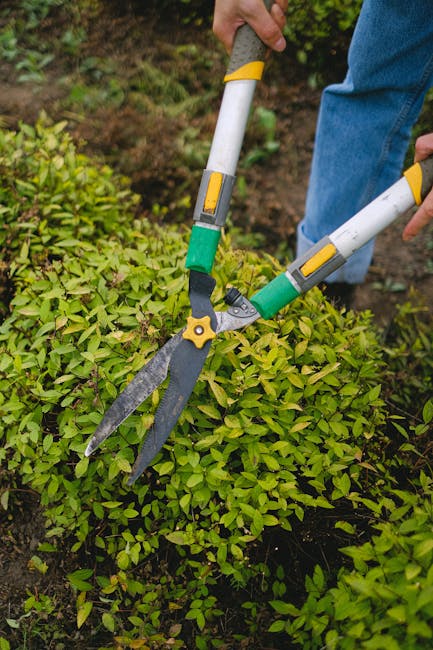
Praed Street gardeners local tips and price guide
If you are looking into Praed Street gardeners local tips and price guide, you probably want two things at once: clear advice and a realistic sense of what the work should cost. Fair enough. Around Praed Street, gardens can be compact, tucked behind terraces, shared, overlooked, or simply a bit awkward to access. That changes the job more than people expect.
This guide breaks down how local gardening services are typically approached, what affects price, where people overspend, and how to judge value without getting lost in sales chatter. You will also find practical tips for maintaining small London gardens, choosing the right service, and avoiding the usual headaches. Let's keep it useful, local, and properly grounded.
Contents
- Why Praed Street gardeners local tips and price guide Matters
- How Praed Street gardeners local tips and price guide Works
- Key Benefits and Practical Advantages
- Who This Is For and When It Makes Sense
- Step-by-Step Guidance
- Expert Tips for Better Results
- Common Mistakes to Avoid
- Tools, Resources and Recommendations
- Law, Compliance, Standards, or Best Practice
- Options, Methods, or Comparison Table
- Case Study or Real-World Example
- Practical Checklist
- Conclusion
- Frequently Asked Questions
Why Praed Street gardeners local tips and price guide Matters
Praed Street sits in a part of London where outdoor space is often at a premium. That means even a "small garden job" can involve more planning than you might think. A narrow side passage, basement access, shared bins, limited parking, or a courtyard garden with no direct vehicle access can all affect time, labour, and disposal costs.
For homeowners, landlords, and managing agents, a local price guide matters because it helps you compare quotes sensibly. Without one, people tend to compare the wrong things. One gardener may be quoting for a tidy one-off visit, while another includes waste removal, heavier cutting back, and a full reset. Apples and pears, as they say.
Local tips matter too. In this part of London, the best results usually come from regular, lighter maintenance rather than waiting for a garden to get out of hand. A tidy-up after three months is easier on the budget than a rescue mission after a year of neglect. That is not marketing fluff; it is just how gardens behave.
There is also a trust angle. Good gardeners do more than cut grass or trim hedges. They notice drainage issues, plant stress, overgrown boundaries, and whether a space needs maintenance or a proper redesign. If you are comparing general garden care with something more involved, pages like garden maintenance, lawn mowing, and hedge trimming can help show how different services fit together.
How Praed Street gardeners local tips and price guide Works
A sensible gardening quote normally starts with the scope of work. What needs doing, how much there is, how accessible it is, and what happens to the waste. Then the gardener decides whether it is a quick visit, a half-day, a full-day, or a multi-visit job. That is the basic shape of it.
For local jobs around Praed Street, the process often looks like this:
- Initial assessment - The gardener asks what you want done and checks photos, measurements, or an in-person visit.
- Job categorisation - Routine upkeep, heavy clearance, pruning, hedge work, turf care, or a mixed job.
- Access check - Can tools and waste be moved easily? Is there street parking? Any restrictions?
- Price build-up - Labour, disposal, equipment, time on site, and any specialist work.
- Visit and completion - The work is carried out, waste is handled, and the garden is left tidy.
That may sound straightforward, but the details matter. A garden with simple access and light maintenance can be relatively efficient. A small garden with thorny overgrowth, wet waste, and no parking nearby is a different story altogether. The quote reflects the job, not just the postcode.
To get better value, many customers benefit from looking at a wider service picture. For example, if the garden needs more than a quick tidy, it may be worth reviewing services overview alongside more specific support such as garden clearance or tree lopping and removal. Sometimes the cheapest-looking quote is not the best buy once waste and follow-up work are included.
Key Benefits and Practical Advantages
Good local gardening advice gives you more than a neat lawn. It helps you make decisions that save time, reduce stress, and keep the space usable through the year. In practice, that often means better scheduling, fewer emergency callouts, and less waste.
- More predictable costs - You understand what drives the price before the gardener arrives.
- Better plant health - Regular maintenance usually prevents avoidable damage.
- Improved curb appeal - Even a modest front garden can make a property feel cared for.
- Lower risk of overgrowth - Thickets, self-seeded weeds, and hedge spillover are easier to stop early.
- Cleaner, safer spaces - Trip hazards, slippery paths, and blocked access are dealt with properly.
There is also a practical comfort to it. A small garden that is kept in shape feels calmer. You notice it on a rainy morning when the path is clear and the beds look intentional rather than wild. Not dramatic. Just nicer to live with.
From a property-management point of view, routine work can be especially worthwhile. It helps stop minor issues turning into larger ones, which is exactly why services such as garden maintenance often prove more cost-effective than repeated one-off clean-ups.
Who This Is For and When It Makes Sense
This topic is useful for a few different people, and the motivations vary a bit.
- Homeowners who want the garden to be manageable without overpaying.
- Landlords preparing a rental property between tenancies.
- Managing agents who need dependable, repeatable outdoor upkeep.
- Busy households that want the garden presentable without weekend drain.
- Elderly residents or those with mobility limits who need practical help with heavier jobs.
- Renovation planners who need clearance before landscaping or decking work begins.
It makes sense to bring in a gardener when you can see any of the following starting to happen:
- the lawn is beyond a simple mow
- hedges are encroaching on paths or fences
- weeds are taking over beds or paving
- branches are crowding windows or gutters
- you need waste removed as part of the job
- you want a recurring schedule rather than one-off rescue work
If the garden is bare soil, awkwardly sloped, or in need of a more complete change, it may be worth looking at landscape gardening or broader landscaping support rather than just maintenance. That distinction matters. A lot.
Step-by-Step Guidance
Here is the simplest way to approach a local garden job without making it harder than it needs to be.
1) Start with the real problem, not the whole wish list
Before you ask for a quote, identify the main issue. Is it an overgrown hedge, a tired lawn, a full clearance, or regular upkeep? If you try to describe everything in one breath, the pricing will be less precise.
2) Send clear photos and a short description
Photos in daylight help a lot. Include the front, back, access route, and any problem areas. If there is broken paving, a low wall, or a tricky rear entry, say so. A ten-second note can save a wasted visit.
3) Ask what is included
This is where many people get caught out. Does the price include green waste removal? Is labour separate? Are hedge clippings bagged and taken away? Will the gardener bring tools or is anything expected on site?
4) Check whether the job is one-off or recurring
Some gardens only need seasonal attention. Others do better with monthly or biweekly visits. If grass, shrubs, and hedges are all growing quickly, repeat visits can actually be easier on the budget because the work stays manageable.
5) Compare more than just the headline price
A lower quote is not always the better one. Look at scope, waste handling, timing, and whether the gardener seems to understand the space. On Praed Street, access and parking can influence efficiency more than people think.
6) Confirm the follow-up plan
If the work is a reset, what happens next? Do you need a maintenance visit in a month? Are there seasonal tasks coming up? A thoughtful gardener will usually suggest the next sensible step rather than just disappearing after the first cut.
For many readers, the cleanest route is to start with the exact service needed, then expand only if necessary. That means checking targeted options such as lawn mowing for turf care, hedge trimming for boundary management, or garden clearance if the space has got properly out of hand. Simple, but effective.
Expert Tips for Better Results
Local garden work goes smoother when you think a little like a gardener and a little like a project manager. Here are the tips that tend to matter most.
- Book before peak growth gets away from you - spring and early summer can get busy, and gardens grow fast in damp, mild weather.
- Keep access clear - move bikes, bins, plant pots, and whatever else is sitting in the route.
- Group similar tasks together - a hedge trim and a general tidy in one visit is often more efficient than separate calls.
- Be honest about the state of the garden - nobody benefits from underplaying a heavy job.
- Ask for a maintenance rhythm - monthly, fortnightly, or seasonal, depending on growth.
- Think in layers - mow, edge, prune, weed, clear, then shape. It usually gives a better finish.
A small but useful local tip: if the garden backs onto shared access or you have neighbours close by, a tidy, low-noise plan can make everyone happier. Not every job needs to happen with full drama at 8 a.m. on a Saturday. We have all seen how that goes.
If you are planning a longer-term improvement, you may also want to think about surfaces and layout. A garden that is easy to move around is easier to maintain. That is one reason some people pair garden work with decking services or broader design input. The space starts to work for you, instead of the other way round.
Common Mistakes to Avoid
The most common mistakes are not dramatic. They are usually just small, expensive misunderstandings.
- Getting a price with no scope - "tidy the garden" is too vague for a reliable quote.
- Forgetting waste removal - clippings and branches add time and disposal cost.
- Waiting too long - the bigger the mess, the longer the job, and the higher the bill.
- Choosing only on price - cheap can become costly if the job is rushed or incomplete.
- Ignoring access issues - narrow entrances and parking limits affect how much can be done in a visit.
- Assuming every gardener does everything - some are maintenance-focused, while others specialise in clearance or landscaping.
One subtle error is expecting a heavy clearance job to leave the garden looking finished in a decorative sense. Sometimes the first visit is about making the space safe, open, and workable. The prettiness comes next. That's normal.
Tools, Resources and Recommendations
You do not need to be a gardener to prepare well for a garden visit. A few simple things make the work smoother.
Useful things to have ready
- recent photos of the garden
- a short list of priorities
- approximate access details
- notes on pets, locked gates, or shared entrances
- any preference for waste removal or bagging
Helpful service pages to compare
If you are trying to work out the right level of help, it can be useful to compare service types rather than treating every garden job the same. A routine visit may fit garden maintenance, while an unruly plot may be better served by garden clearance. If hedges are the main issue, go straight to hedge trimming. If a tree is blocking light or becoming unsafe, tree lopping and removal is the more relevant route.
For a broader sense of what is available, the services overview page is a sensible starting point. And if you care about how waste is handled, it is worth looking at a provider's approach to recycling and sustainability. Green waste should be managed properly, not just dumped into a vague bag and forgotten about.
Law, Compliance, Standards, or Best Practice
Garden work in London is not usually a heavily regulated mystery, but there are still sensible standards to follow. Good practice matters for safety, neighbour relations, waste handling, and insurance. A professional gardener should work in a way that is safe, careful, and proportionate to the job.
In practical terms, that means a few things:
- Safe working methods - tools used properly, clear work areas, and sensible attention to hazards.
- Waste handling - garden waste should be removed or managed responsibly, especially on bigger jobs.
- Public and neighbour safety - branches, debris, and tools should not be left where someone could trip or be struck.
- Insurance awareness - it is reasonable to ask whether the business carries suitable insurance for the work.
- Clear terms - the service scope, exclusions, and payment expectations should be straightforward.
For reassurance, some customers also look at a provider's published insurance and safety information, along with their health and safety policy and terms and conditions. That is not overthinking it. It is just sensible due diligence.
If you are comparing quotes, pricing and quotes guidance can help you understand how estimates may be built and what information supports a fair quote. Better to ask early than be surprised later.
Options, Methods, or Comparison Table
Here is a simple way to compare common garden service approaches around Praed Street. It is not a fixed rulebook, just a practical guide.
| Service type | Best for | Typical strength | Watch out for |
|---|---|---|---|
| Regular garden maintenance | Ongoing care, tidy presentation, seasonal upkeep | Keeps work manageable and predictable | Can be too light if the garden is already overgrown |
| Lawn mowing | Grass that just needs routine care | Fast, efficient, neat finish | May not solve edging, weeds, or border problems |
| Hedge trimming | Boundaries, privacy hedges, shape control | Restores structure and appearance | Waste volume can be higher than expected |
| Garden clearance | Overgrown, neglected, or emptying-out jobs | Creates a clean starting point | Usually more labour-heavy and disposal-sensitive |
| Landscape gardening | Redesign, layout changes, more ambitious improvements | Improves long-term use and appearance | Needs more planning and a bigger budget |
If you are unsure which route fits, ask yourself a plain question: do you want it maintained, restored, or reimagined? That one question clears up a surprising amount.
Case Study or Real-World Example
Here is a realistic example based on the kind of work commonly seen around Praed Street. A small rear courtyard had become cluttered with pots, weeds, leaf build-up, and a hedge line that had started to lean over the path. Nothing catastrophic. Just one of those spaces that slowly stops being pleasant.
The owner first assumed it needed a full redesign. After a walk-through, it turned out the priority was more modest: light clearance, hedge reduction, weeding, and a tidy lawn substitute area that had turned patchy. The job was split into two stages. Stage one cleared access and reduced the overgrowth. Stage two focused on making the layout easier to maintain next time.
That is often the smartest approach. You do not always need to do everything at once. Sometimes the right move is to get the garden back under control, then decide whether a maintenance plan, planting refresh, or a landscaping upgrade makes sense later.
The client got a clearer quote because the job was defined properly. The gardener avoided guesswork. The space became usable again. Simple, really, but not always obvious when you are standing in the middle of a chaotic little jungle with a cup of tea in your hand.
Practical Checklist
Use this checklist before you book a local gardener:
- Identify the main job: maintenance, clearance, hedge work, mowing, or redesign
- Take clear photos in daylight
- Note access points, parking issues, and any locked gates
- Ask whether waste removal is included
- Confirm whether the quote is fixed or estimate-based
- Check if the service is one-off or recurring
- Ask about timing, especially during busy spring and summer periods
- Confirm any safety or insurance information that matters to you
- Decide what outcome you want: tidy, restored, or transformed
- Keep one or two follow-up priorities for the next visit
Expert summary: the best value usually comes from matching the right service to the actual condition of the garden, then keeping the work regular enough that it never gets out of hand. That is the quiet secret, really.
Conclusion
Praed Street gardens tend to reward practical thinking. Clear scope, good access notes, honest expectations, and the right type of service usually matter more than chasing the lowest number on a quote. If you want a tidy, manageable outdoor space, it is worth treating the job as a small planning exercise rather than a spur-of-the-moment fix.
Use the tips in this guide to compare quotes more confidently, avoid hidden extras, and decide whether your garden needs maintenance, clearance, or something more ambitious. Done well, the work should feel calm, straightforward, and worth every penny. And honestly, that peace of mind is often the best part.
Get a free quote today and see how much you can save.
Frequently Asked Questions
How much do Praed Street gardeners usually charge?
Prices vary depending on the size of the job, access, waste removal, and whether the work is routine or heavy-duty. A small tidy-up is usually less expensive than a full clearance or a mixed job with hedges and disposal included.
What affects the cost of a local gardening visit most?
The biggest factors are labour time, access, waste volume, and how overgrown the space is. Parking and access around Praed Street can also matter more than people expect.
Is it cheaper to book regular maintenance than one-off clean-ups?
Usually, yes. Regular maintenance tends to keep the garden under control, which means less labour and fewer surprise jobs later. A neglected garden often costs more to restore.
Should I choose garden clearance or maintenance?
If the space is overgrown, cluttered, or neglected, clearance is usually the better first step. If the garden is already in decent shape and just needs ongoing care, maintenance makes more sense.
Do gardeners take away green waste?
Some do, some do not, and some charge separately for it. Always ask before booking. Waste removal can make a noticeable difference to the final price.
Can a gardener help with hedges and small trees?
Yes, if they offer those services. Hedge trimming is often separate from general maintenance, and tree-related work may require specialist attention depending on the size and risk involved.
How do I know if a quote is fair?
A fair quote should match the scope of work, access conditions, disposal needs, and time required. Compare what is included, not just the headline price.
What should I send when asking for a quote?
Photos, access details, a short description of the job, and any concerns about waste or timing are usually enough to start. The clearer you are, the better the estimate.
Do I need to be home during the work?
Not always, but it depends on access and how the job is arranged. If the garden is easy to access and the job details are clear, some visits can be completed without you staying the whole time.
What if my garden needs more than mowing or trimming?
That is common. Mixed jobs often need a combination of mowing, hedge work, clearance, and maybe landscaping. A good gardener should help break the job into sensible stages.
Are there safety or insurance questions I should ask?
Yes. It is reasonable to ask whether the gardener has suitable insurance and follows sensible safety practices. That matters even for smaller jobs, especially where ladders, tools, or heavier cutting are involved.
What is the best time of year to book gardening work?
It depends on the task, but spring and early summer often get busy because growth speeds up. If you want a specific slot, booking ahead is usually a smart move.